This page will have a variety of longer pieces about Union struggles and victories. These articles are written by NEU members.
Inspiring women: The Grunwick dispute
While doing some research into the Trade Union (TU) movement, I came across the Grunwick dispute. To me, a defining moment (amongst many others such as the better known Matchgirls ‘strike of 1888) in the History of women’s activism. It is a story which also speaks of the place women workers had in the male dominated TU movement. To my shame, I had never heard of it but I felt it presented a major learning opportunity for all activists, especially for the TU movement, which must face its relatively recent history and confront gender and racial discrimination. So what happened in Grunwick?
In the 1970s, the Grunwick film processing factory employed many mainly Indian women from East Africa who had fled or were expelled from the former British colony of Uganda. Idi Amin’s government adopted discriminatory policies against Uganda’s Asian population in an attempt at Africanisation of Uganda’s economy. Many of these women who had lived a relatively comfortable and productive life there, were forced to leave. They decided to resettle in the UK as they were British citizens. But England’s post war society was far from welcoming and the situation was the same in the working world, for example at the Grunwick factory. The conditions of work were awful, women workers felt humiliated and many workers recall an atmosphere of fear and control by their managers.
What is extraordinary about the Grunwick dispute is that the women workers and their brave and inspiring leader Jayaben Desai decided to do something about it. On 20th August 1976, in the searing heat of that summer, they walked out in protest. They bravely stood up to defend their rights and dignity at work.
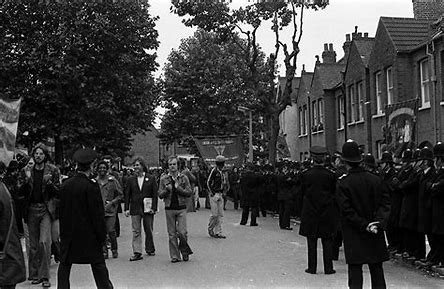
But they did not stop there, they soon realised that being part of a union would help their cause and they decided to join APEX (the Association of Professional Executive Clerical and Computer Staff) and campaigned for trade union recognition by their employers. So far, so similar to many workers’ past struggles. But this is forgetting the context in which these amazing women made a stance. At the time, the TU movement was dominated and led by white men. Many migrant workers felt unions protected the wages of the white workers to the detriment of migrant workers. They also felt racism and discrimination permeated the movement. However, Jayaben and her co-workers picketed for weeks on end outside the Grunwick factory and finally they attracted the attention of the wider TU movement. By 1977, there were large numbers of people marching down the streets of London in solidarity to the women of Grunwick. On November 1st, the Union of Post Office workers (UPW) decided to boycott postal services to and from Grunwick causing significant disruption to the factory ‘s operation and potential profits.
Eventually, as the movement grew, the government commissioned an enquiry. The Scarman enquiry made recommendations which they thought would bring an end to the dispute. They recommended the employers should recognise the Trade Union and also that they reinstate the women strikers. The employers refused.
By that time, both the Trade Union Congress (TUC) and the government had started to feel very nervous about the scale of the movement. There were regular demonstrations, 500 people on the pickets were arrested and it is believed that the protests were the first time the government deployed the now infamous Special Patrol Group (SPG).



 Leicestershire NEU